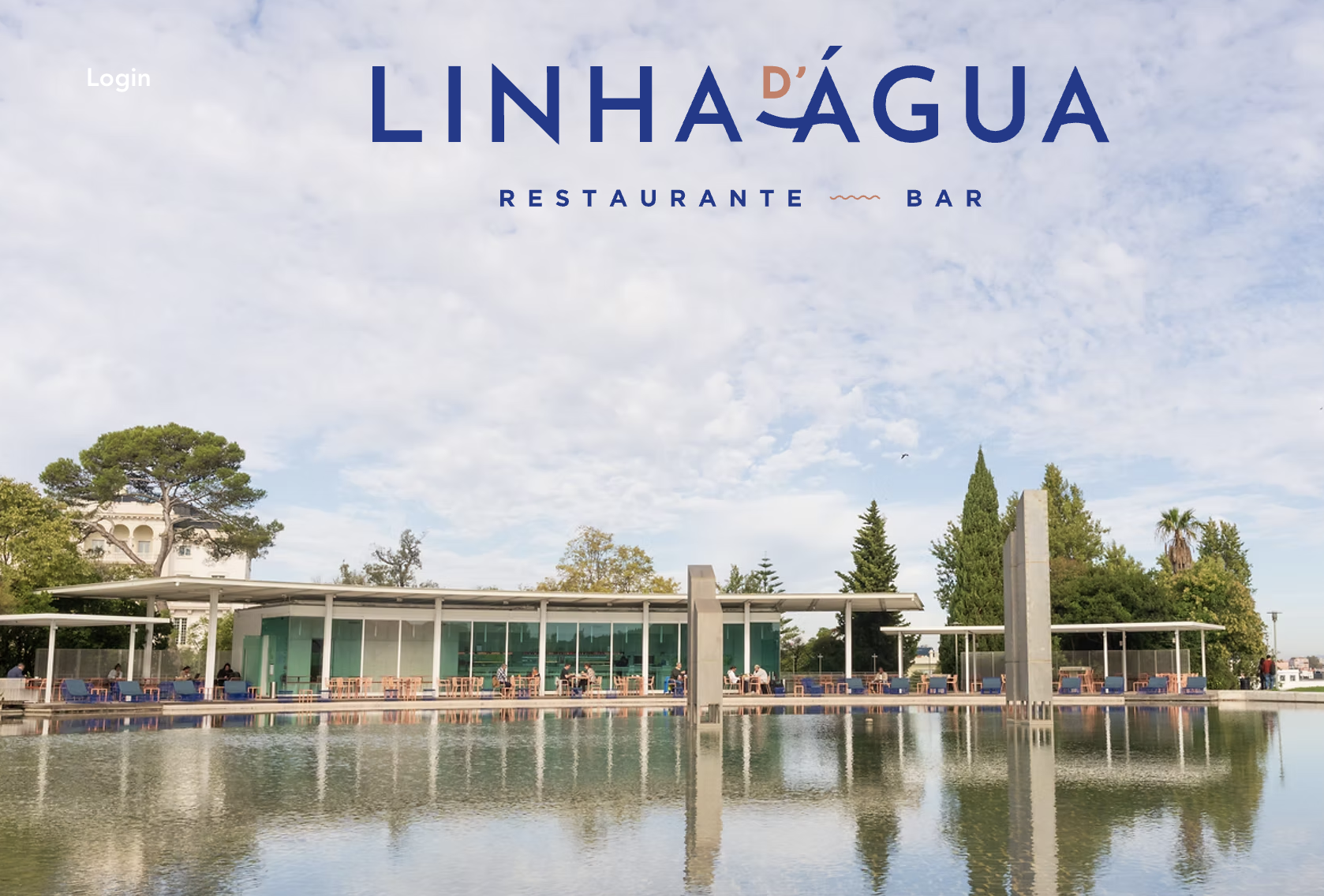

The Linha de Água terrace is located in Jardim Amália Rodrigues, designed by Engineer Gonçalo Ribeiro Telles, widely recognized and distinguished for his work in the field of landscape architecture, distinguishing himself for his excellence in combining this with the natural surroundings. Ideal for a light meal or a snack with friends in the late afternoon, this space surprises with its boldness in making you forget that you are in the heart of Lisbon
Lunch is included
in the registration fee.
All participants will be provided with lunch on each day of the course.
2nd Floor, Indeg, Av. das Forças Armadas Piso 2, 1600-189 LISBOA, Portugal

The Palácio Alverca / Casa do Alentejo was granted the classification of “Public Interest Building” assuring that you will have the right ambience for the party you are planning.
We are located at Rua das Portas de Santo Antão, right in the centre of the Lisbon’s “Baixa”. Step in at number 58, climb up the stone stairs and you will find yourself in an Arab courtyard, ideal for a reception cocktail for your guests. Go to the second floor and be mesmerized by the panel covered corridor that provides the access to our two grand party halls where you can host your event. The rooms are separated by a shared central stage and can host up to 400 people. The “Salão dos Espelhos” hall, decorated in the style of Louis XVI, has decorative stucco and is ornamented by hand-painted panels by Benvindo Ceia. The other room has a neo renaissance ambience and hosts romantic paintings by Alentejo born artist Domingos Costa.
Rua Portas de Santo Antão, 58 1150-268 Lisboa PORTUGAL
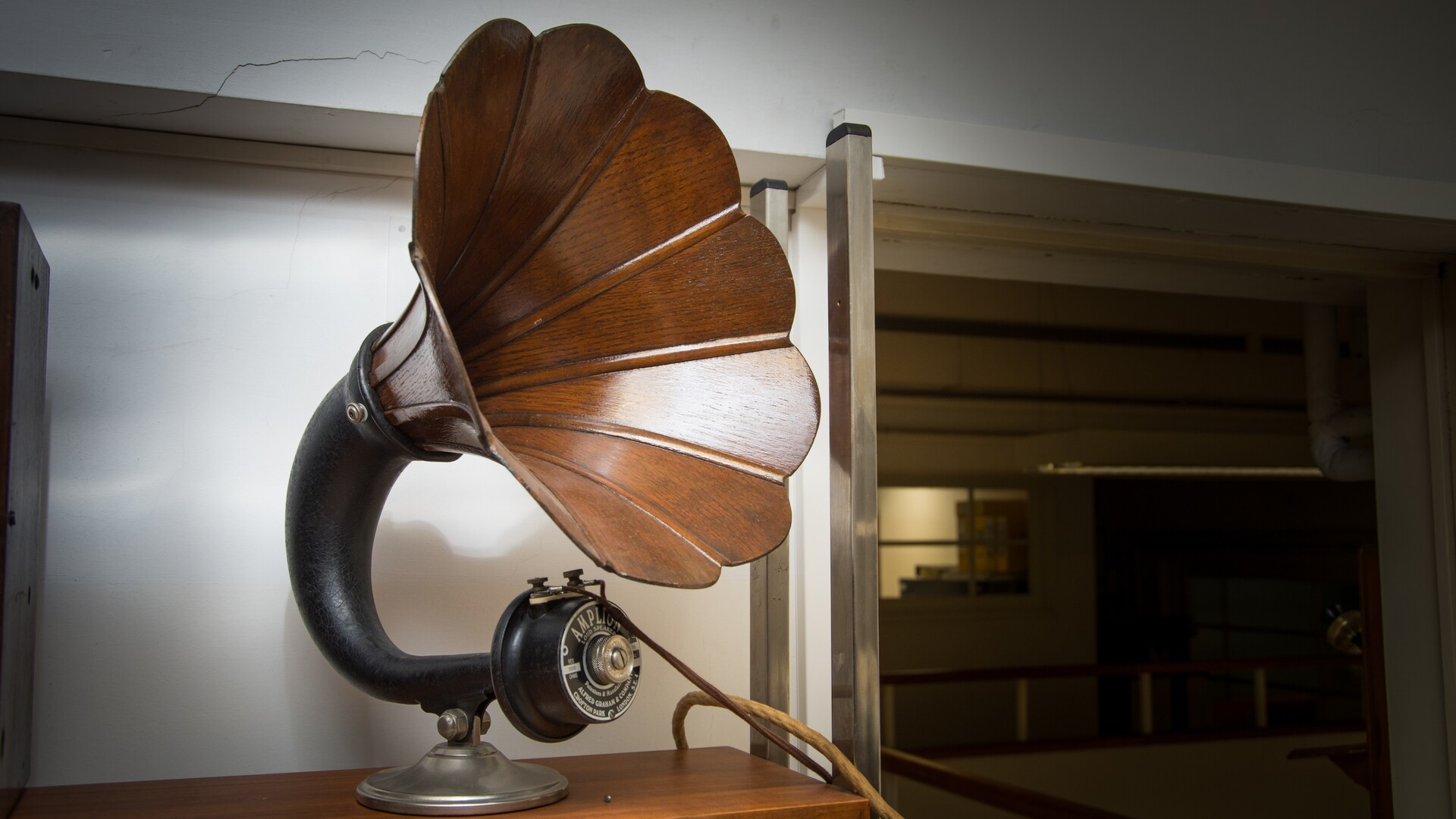

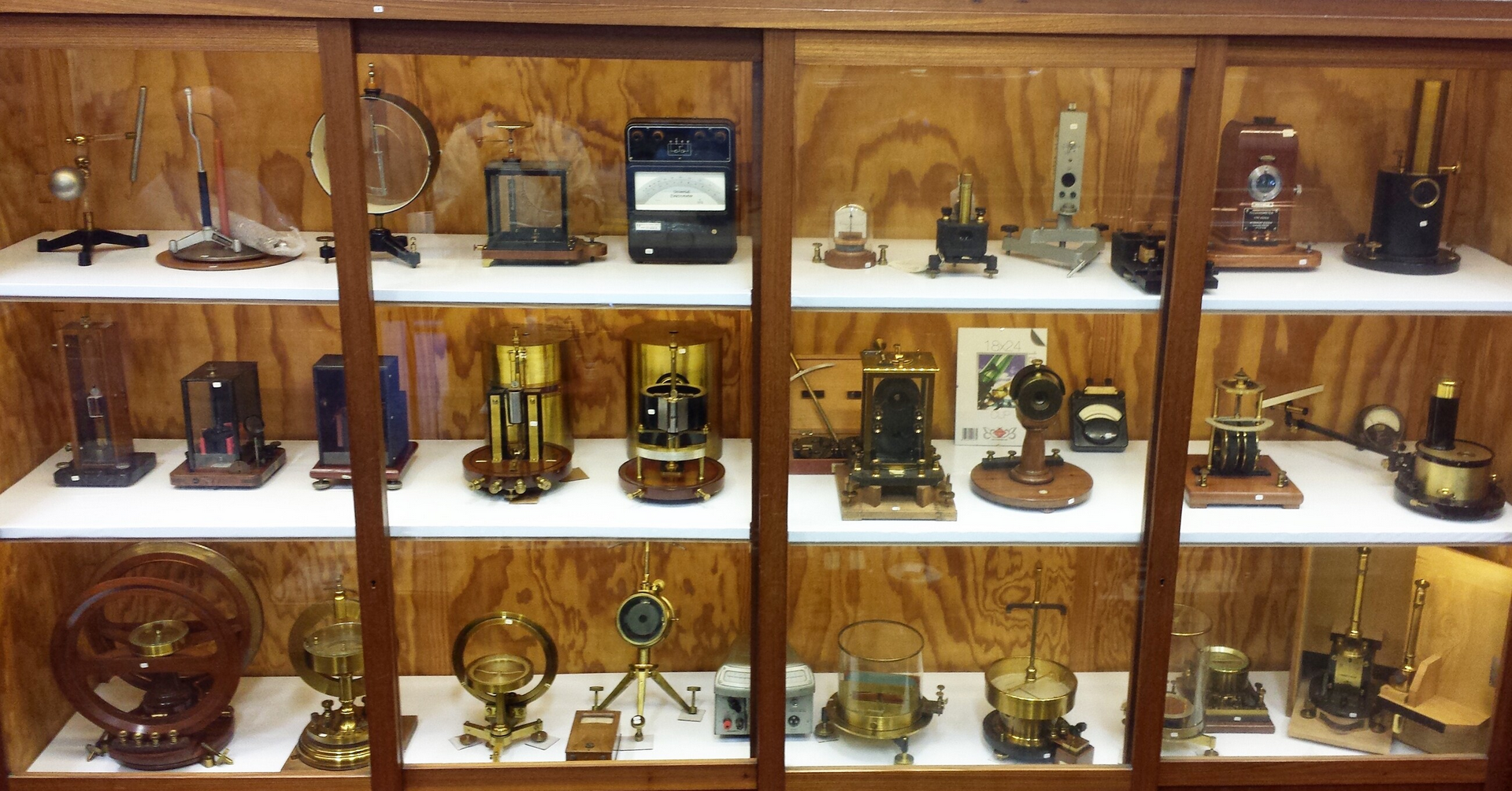
The Faraday Museum, currently in the process of being organized within the framework of the Scientific Area of Electronics of the Department of Electrical and Computer Engineering (DEEC), brings together an important collection of approximately 600 historical scientific instruments and pieces of equipment, mainly from the 19th and 20th centuries. Most of the collection results from decades of teaching and research at IST, in the fields of Physics—particularly Electricity and Magnetism—Electrical Engineering, Electronics, and Communications (Radio, Television, Computers). The collection had been dispersed, although partially inventoried within the context of previous projects aimed at enhancing IST’s heritage. Another part of the collection comes from private donations, from companies, but above all from former professors and students of IST. Since January 2015, this collection has been undergoing restoration and cataloguing. The Faraday Museum, inaugurated in February 2017, comprises seven permanent and temporary exhibition rooms located in the Electricity Pavilion. It features interactive modules and new technologies, in addition to the presentation and interpretation of contemporary IST research for broader audiences, particularly school groups. In this context, educational experiments demonstrating fundamental principles of physics, electrical engineering, and electronics are frequently presented to students during school visits.
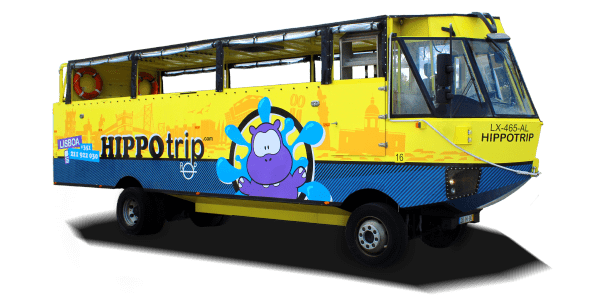
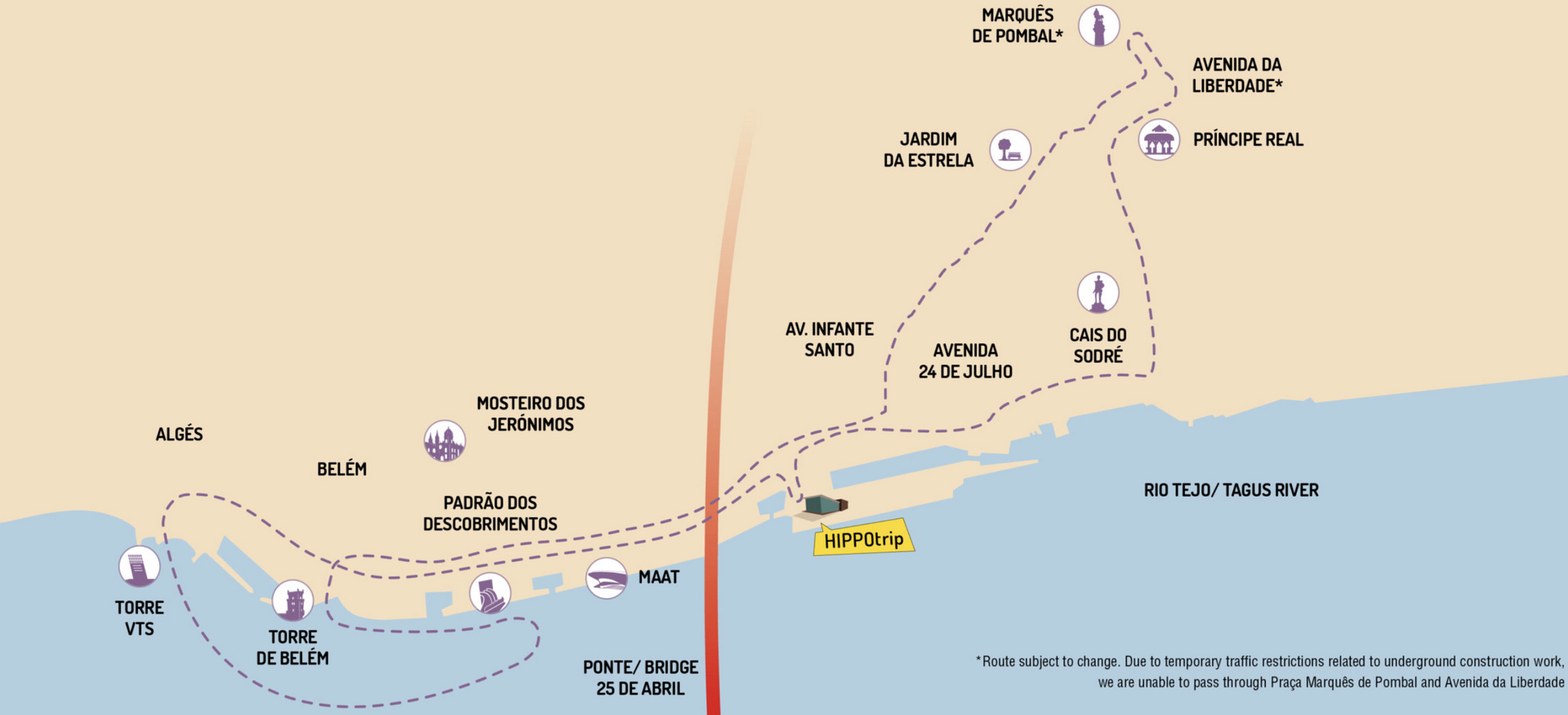

Aboard one of our amphibious vehicles, explore the heart of Portugal’s capital, by land and river, without leaving the comfort of your own seat. Is it a bus? Is it a boat? It’s both…. so get ready to plunge into the Tagus River with a big smile on your face! Prepare to be entertained by our lively animators, who will share myths, legends and curiosities during an entertaining ~90 minute show full of positive energy and passenger interaction. It’s all about fun and laughter. Don’t expect a “traditional” sightseeing tour with a “traditional” guide, but rather a memorable experience that will leave you shouting out loud… Hippo, Hippo, Hurra!!!
3-Star Hotels ★★★
4-Star Hotels ★★★★

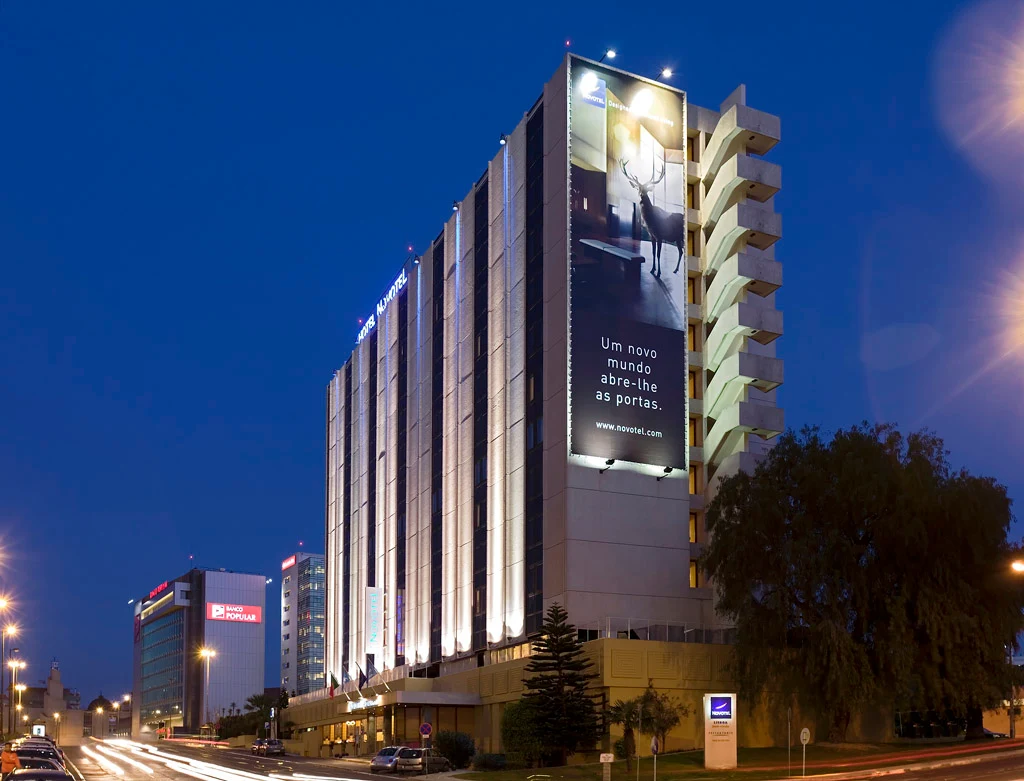
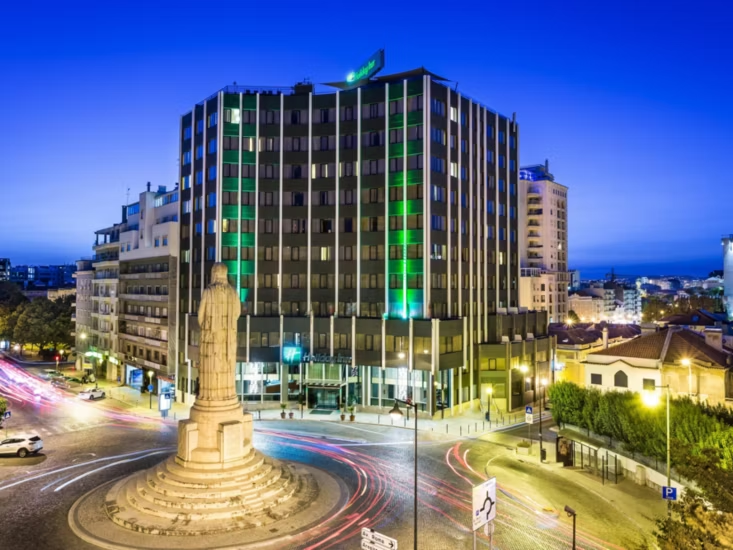
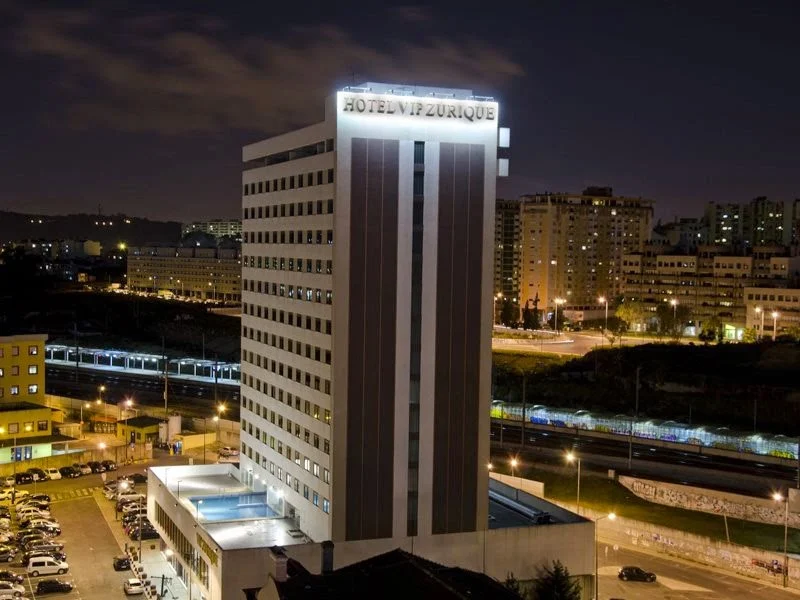

~1.2 km (approx. 15 min walk)
~0.5 km (approx. 6 min walk)

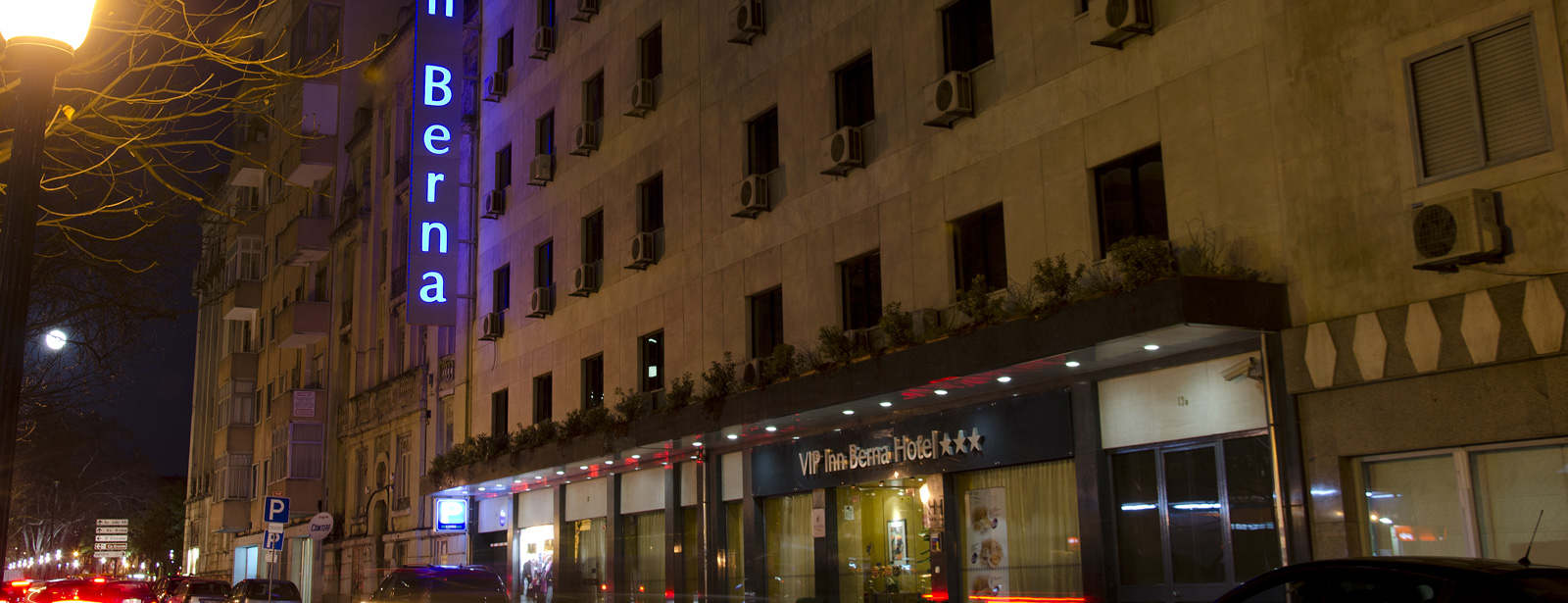
~1.5 km (approx. 20 min walk)

~0.9 km (approx. 11 min walk)
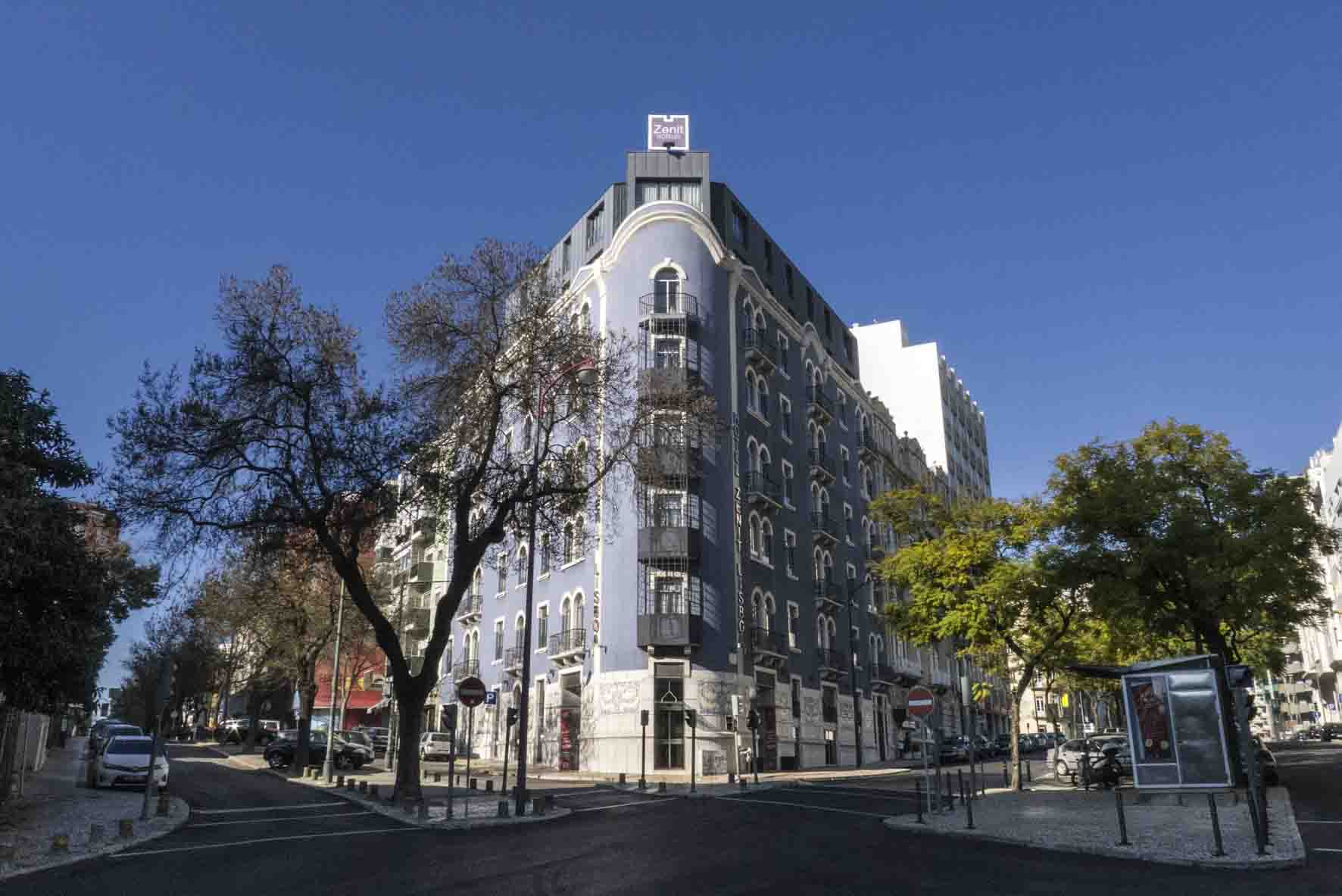
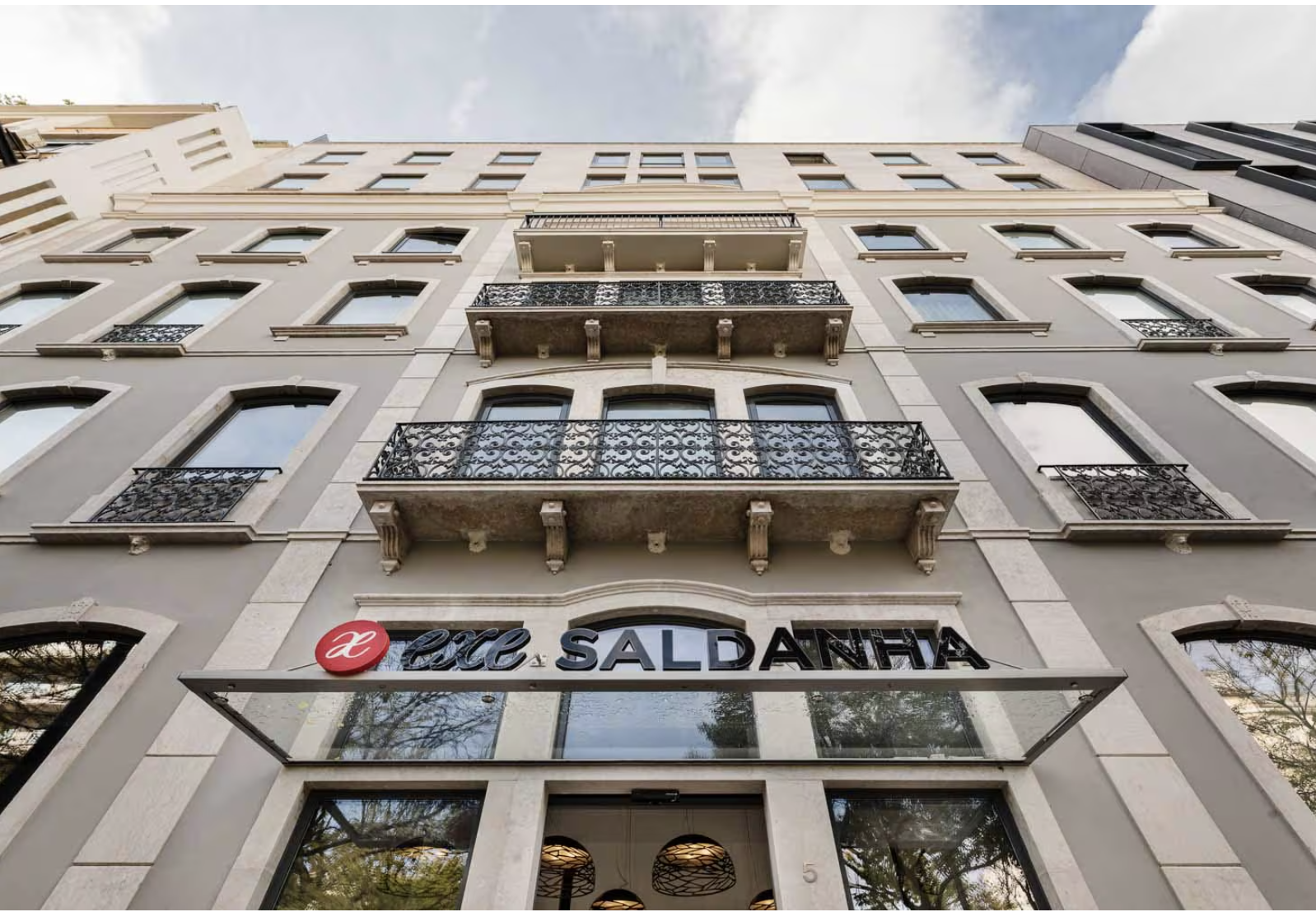


~2.1 km (approx. 28 min walk)
~1.6 km (approx. 22 min walk)